
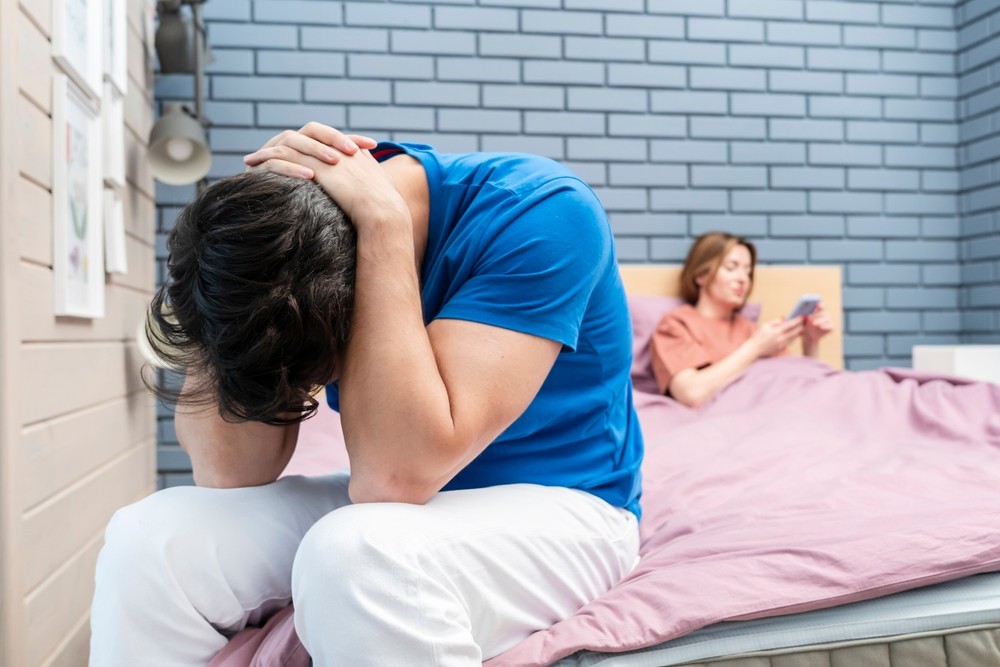

Stress affects your body in many ways. One area that often suffers is sexual health. When stress builds up, it can lead to erectile dysfunction. This problem affects millions of men worldwide.
The good news is that stress-related ED responds well to treatment. Understanding your options can help you take the first step towards recovery.
How Stress Causes ED
Your mind and body work together during sex. Stress disrupts this connection. It triggers your body’s fight or flight response. This response diverts blood away from non-essential functions.
When you feel anxious or worried, your body releases stress hormones. These hormones narrow your blood vessels. Less blood reaches the penis. The result is difficulty getting or keeping an erection.
Work pressure, money worries, and relationship problems all contribute. Even stress about sexual performance can make the problem worse. This creates a difficult cycle that’s hard to break alone.
Psychological Treatments
Counselling and Therapy
Talking to a professional can help address the root causes of stress. A therapist can teach you coping methods that reduce anxiety. Cognitive behavioural therapy works well for many men.
This approach helps you identify negative thought patterns. You learn to replace them with healthier ones. Sessions typically last 30 to 60 minutes. Most people see improvement within a few months.
Sex therapy focuses on the sexual aspects of stress. A therapist helps you and your partner improve communication. You learn techniques to reduce performance anxiety. This type of therapy often involves both partners.
Relaxation Techniques
Learning to relax your mind can improve your symptoms. Deep breathing exercises calm your nervous system. You can practise these anywhere, anytime.
Meditation helps you focus on the present moment. Just 10 minutes daily can reduce stress levels. Progressive muscle relaxation releases tension from your body. You tense and release each muscle group in turn.
Yoga combines movement with breathing and mindfulness. Regular practice improves both mental and physical health. Many men find it helps with stress-related ED.
Lifestyle Changes
Exercise
Physical activity reduces stress hormones in your body. It also improves blood flow throughout your system. This includes blood flow to the penis.
Aim for 30 minutes of moderate exercise most days. Walking, swimming, and cycling all work well. You don’t need to join a gym or buy expensive equipment.
Exercise also boosts your mood. It releases chemicals in your brain that make you feel good. Better mood often means less stress and better sexual function.
Sleep
Poor sleep makes stress worse. It also affects hormone levels that control sexual function. Most adults need seven to nine hours per night.
Create a regular sleep schedule. Go to bed and wake up at the same time each day. Keep your bedroom cool, dark, and quiet. Avoid screens for an hour before bed.
Diet
What you eat affects your stress levels and blood flow. A healthy diet supports better erectile function. Focus on whole foods like fruits, vegetables, and whole grains.
Limit alcohol intake. Too much can worsen ED symptoms. Stay hydrated by drinking plenty of water throughout the day.
Medical Treatments for ED
Sometimes lifestyle changes alone aren’t enough. Medical treatments for ED can provide additional support. These work by improving blood flow to the penis.
Oral medications are often the first option doctors suggest. They work for many men with stress-related problems. These pills don’t cure the underlying stress. They help manage symptoms while you address the root cause.
Other options include injections, vacuum devices, and implants. Your doctor can explain which treatments for ED might suit your situation.
Combining Approaches
The most effective strategy often combines several methods. You might use psychological therapy alongside lifestyle changes. Some men add medical treatment while working on stress reduction.
This combined approach addresses both the physical and mental aspects. It gives you the best chance of long-term improvement. Work with your healthcare provider to create a plan that fits your needs.
Moving Forward
Stress-related ED is treatable. The key is taking action rather than hoping it goes away. Start with small changes you can manage easily. Build from there as you see results.
Remember that recovery takes time. Be patient with yourself. Most men see improvement when they stick with their treatment plan.
If stress continues to affect your life and relationships, seek professional help. You don’t have to manage this alone. Many effective treatments for ED exist that can restore your confidence and improve your quality of life.